


 Home
Scandi
Scandi.
Simplicity, functionalism, space, respect for the past, healthy lifestyle, ecology and pro-family attitude are a life-style guide to the Nordic countries.
Bright interiors without curtains and curtains, full of postmodern quotes and furniture references to the 60's and 70's conquered Europe. Unpretentious, functional items dictate a new fashion for eco-friendly, easy-to-use, practical houses and flats. Scandinavian philosophy dictates new trends in the approach to the immediate surroundings. Glamor and luxury are no longer synonymous with success, because they are replaced by a balanced collage of the past and the future, eclectic combinations furniture i decoration from historically different eras, recycled objects, non-obvious colors, textures and textures.

Photo Pinterest

Photo Pinterest
Natural light
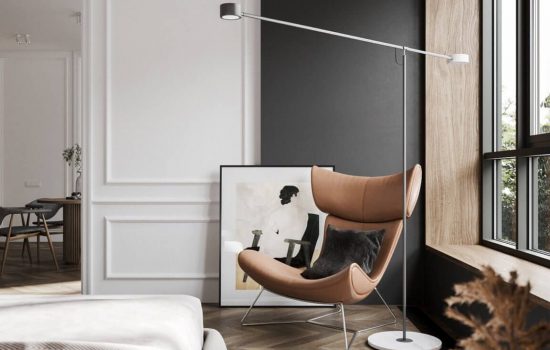
In interiors affected by the Scandinavian solar schedule, the use of natural light becomes even more important than usual. Wide, well-placed windows capture as much low light as possible until the end of the day. Unobstructed glass panes and a light, subdued color palette open up and brighten up interiors, extending the hours of the day. Additional color accents enliven the space and shiny metal elements, such as a slender, brass-covered steel structure Asteria lampshelp to illuminate the sun-hungry space.

Photo Pinterest

Photo Pinterest

Photo Pinterest
Eco-materials
The less-waste philosophy supports the multiple recycling of natural materials: wood, sisal and wicker braids, wool, paper, leather and fabrics, inventing new applications for them, such as biodegradable dishes and patchwork carpetsor the heart-conquering "old school" wooden toys for children. The palette of grays and browns as well as the base black and white are complemented by the natural one green plantsexperiencing a great come back. A glass jar with a mini plant composition is a must-have program for a fashionista, just like a bio-basil pot on a modern consumer's kitchen window sill. When the sun rises for only a few hours a day, the Scandinavians do their best to attract the world of living nature. Each glazed space is filled with selected grasses, plants and trees, and the motifs of exotic leaves are repeated in fabrics, wallpapers and decorations, bringing a diorama of greenery to the interior.

Photo Pinterest

Photo Pinterest
Sustainable development
The Scandi space marks the scale between the democratic IKEA and the high-budget Danish design famous for its sophistication. The functional minimalism of Hans J. Wegner - the author of the cult The Y Chair, or Arne Jacobsen and his The Egg change the approach to the definition of beauty. A well-designed object without literary decorativeness comes down to a synthesis of function, material and solid. This is enough to become a design classic. Some of them in limited series are still produced today. Raisins not available in contemporary collections are snapped up at vintage interior design auctions all over the world.

Photo Pinterest

Photo Pinterest
Evolution
Northern design is also gaining recognition in our country, so far skeptical of the charm of modest simplicity. It is becoming more and more popular Scandinavian lighting. Multi-Lite lamps designed in 1972 by Louis Weisdorf for the Gubi brand, they triumph in numerous interior design sessions, and the iconic Normann Copenhagen, HAY and Georg Jenssen with a collection of furniture and smaller items boldly enter the Polish market. After years of admiration for the classics and sparkling New York style, along with the generational change, different tastes and different aesthetics enter the game - conscious, mature and ... "otherwise rich". We chase the world and catch up on the lesson in the history of design written with a capital "D" - like the home of the most famous Scandi projects - Denmark.

Photo Pinterest

Photo Pinterest